I’ve raised many £millions for start-ups using a format developed over my years as a co-writer, editor, collaborator and author of numerous business plans. Here is my winning template for business pitches.
If you’re raising start-up investment, then you’ll need a bulletproof business plan. Even if you’re going to bootstrap the business yourself, going through the business planning process will bring clarity to your thinking and will stress-test your assumptions. And if you’re making a pitch for inward investment within an already established company you can easily adapt my template for that too.
I believe anyone can write a good business plan by following this structure, but there are some golden rules you should keep in mind.
- Your business plan should be short enough to be succinct and punchy, but long enough so that an investor has all the pertinent information and data to hand to make a decision. 25 pages, including a cover and any graphics and tables, is usually about right.
- Your business plan should be transparent and easy to read, and should avoid too much industry jargon. It should make an investor feel engaged with the purpose of the enterprise you are planning to launch.
- A good business plan will appeal to both the heart and the head of an investor. So be enthusiastic but don’t oversell. Use objective language to build the business case and allow investors to come to their own conclusions. In short don’t just say “it’s a brilliant opportunity”, show them why it is a brilliant opportunity, with data and insight to back your case up. Tell them what their funding will be used for and how much of a return they’ll make on their investment (the ROI).
- And don’t forget that we live in a visually rich world. Good images stop people when they are reading, and strong words keep them there. So if you have images of your products or services then use them in the business plan. If you don’t then I advise you invest in making some.
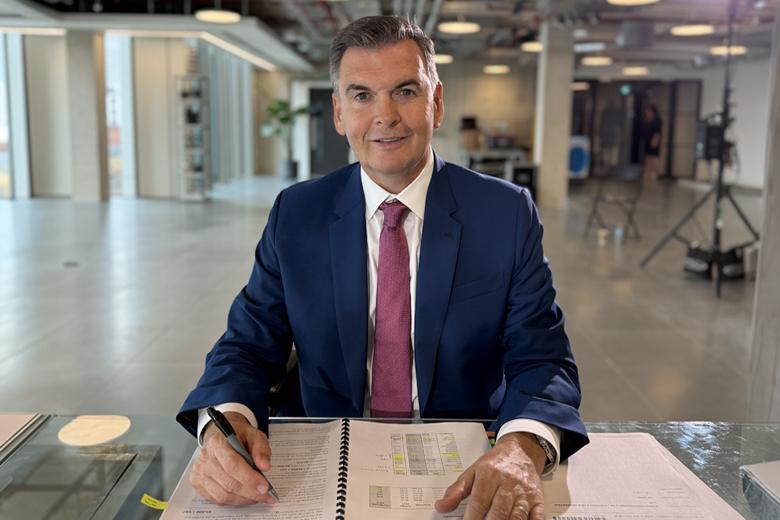
Writing business plans is as much about art as it is about maths and logic. My template comes from experience rather than from a business school, so it’s still evolving. If I’d written this five years ago it would have been different – and I hope if I rewrite it in another year or two it will have developed and improved further.
In that same spirit I’d be fascinated to hear your own experiences of writing and pitching business plans. Have I missed any essential elements? Underplayed important parts? I’d value your comments and in return I promise to use your feedback to help shape future versions of this article.
So please let me know what you think. Please reshare and comment. Thank you.
A. Executive Summary
There are two schools of thought when it comes to Executive Summaries: some experts say you should do all the rest of the work and then write the first part. Ohers say that you should hone the summary and the key messages before elaborating in longer form.
I do a bit of both; I have a crack at writing the summary first as a loose draft. Then I write the rest of the document and then go back with fresh eyes and rewrite the summary.
- Describe your business. What is the problem you are solving? Why is your business different and sustainable? What objective proof do you have?
- What does your business do and how does it do it?
- What does your business stand for? How is it distinctive?
- What is the market you are launching into? Who are your competitors?
- What size are these competitors? Have any been sold? If so for how much?
- Why will you succeed in such a competitive market? What makes you different and better?
- Who are your target customers? Who do they currently buy similar products and services from? Why will they switch to you? Price? Convenience?
- Outline your brand marketing strategy: what platforms will you use, what’s the core message? What is the budget and how will it be used?
- Digital strategy: how do customers engage and transact with you online. What is the investment and how much of your revenue does this represent?
- Stock: what is your stock strategy? Are you committing capital to acquiring raw materials or completed products?
- Overheads, plant and machinery: what kit do you need and how do you propose to buy/rent it? Where will you operate from: are you renting a warehouse or working from coffee shops?
- Staffing: who’s the senior executive team and what does each person contribute?
- Long term vision for the ownership of the business – will you sell it, float it, keep running it as an annuity?
- Summary of 5 year Forecast (graph showing revenues and net profit, year by year)
- When will investors see a return? What is their likely Return On Investment (ROI)?
B. Background
- Statement of intent: what will your business do and who will you do it for?
- Distinctive features and benefits of your business.
- Unique and protectable elements (eg exclusive coding, exclusive access to a market, etc)
- Why you? What relevant skills and track record do you and the team have?
C. Target Customers & Marketing
If your marketing materials are already well developed, then this can be two separate sections.
- Who are your ideal target customers?
- What relevant products do they currently consume?
- What core marketing messages will persuade them to switch to you?
- What research have you done to back this up?
- What is your marketing budget and how does marketing spend relate to sales revenues?
D. Competitor & Market Analysis
You can find out a lot about competitor businesses on Companies House. It’s a goldmine and it’s free: gov.uk/get-information-about-a-company.
- What are the major themes driving your industry?
- What is your business doing to exploit the changes?
- How many competitors are there? Which are your key rivals?
- What do you know about them? Are they profitable? Are they growing or in decline, and why?
- Is there a simple table you can do to compare their strengths and weaknesses?
E. Business Model
- Your business model explained.
- % of revenue from different streams?
- How do you increase revenues?
- What are your costs of sale (as opposed to your fixed costs)?
- What are your largest costs? How much forward visibility do you have on your costs?
F. Budget & Cash
- A simple three to five year projection, showing revenues, costs and net profit
- Top-line, bullet-pointed narrative that outlines the key assumptions – show how your revenues are driven by investment.
- Cash forecast showing models of expected case, worst case and best case, with assumptions listed out.
- Risks and Upsides: what could go very wrong, what could go very right?
G. Overheads
Split these down into fixed overheads (those that are always constant regardless of business performance) and variable costs (expenses that vary with business activity levels).
- Fixed overheads: eg office costs, administrative costs, utilities, insurances.
- Variable overheads: eg shipping costs, office supplies, marketing materials, equipment maintenance.
H. Strategic Goals
- What are your key aims in the first 12–24 months of your business?
I. Digital strategy
- What digital assets will need to be built?
- Are you transacting with customers? If so, with what back-end e.g. Stripe?
J. The Team/Company Structure
Don’t forget the old maxim: investors back people first and ideas second because ideas always change and people rarely do. So make sure this section brings out the best of your team’s relevant skills.
- What is the team’s track record?
- What do you bring to the table?
- Why are you set to succeed where others may have failed?
- Directors and management team bios
- Org chart
K. ESG Commitments
In some parts ESG – Environment, Social and Governance – has been seized upon as part of the “woke agenda” when in fact by embedding good ESG commitments early can act as a driver for lower costs, higher revenues and better workforce engagement. There is a proven link between doing this well and greater corporate value.
- How will you contribute positively to improving the environment?
- How can you ensure a diverse and inclusive workplace and customer engagement?
- What KPIs will you set to measure progress and how will you report against those metrics to shareholders?
L. Appendix: full financial forecast
- 5 year financial forecast
- Cash forecast scenarios: Expected Case / Best Case / Worst Case

 Straight to your Inbox